Loading...
Serving Ridgecrest, CA and surrounding areas. (442) 294-1818
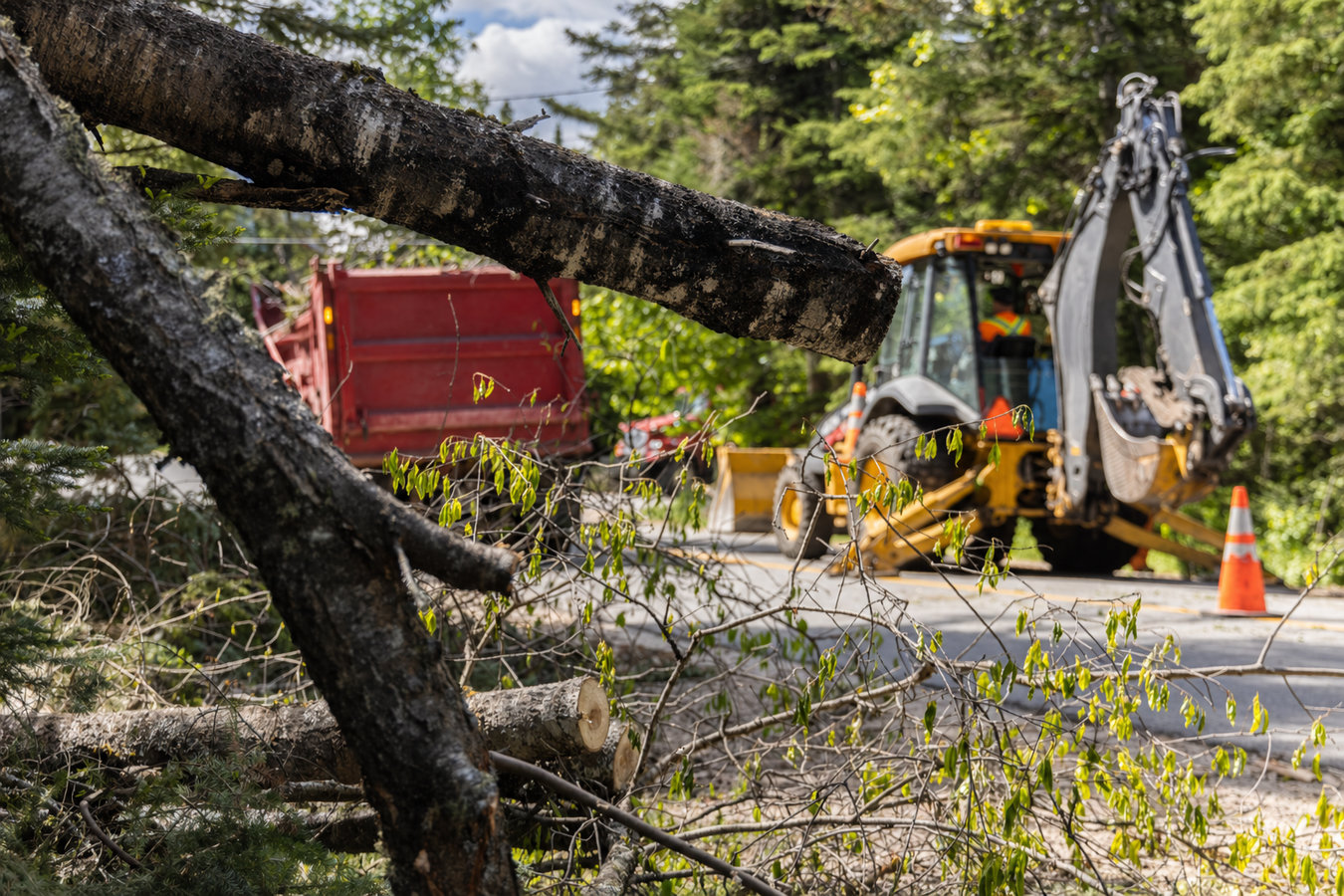
When a tree comes down in Ridgecrest, every hour it sits on your roof or blocks your driveway is a real risk. We respond fast, assess the scene, and remove the danger so you can get back to normal.
Emergency tree service in Ridgecrest covers situations where a tree or large branch poses an immediate danger to your home, vehicle, or family. We respond quickly - often the same day - to make the scene safe, whether that means removing a fallen tree, cutting away a hanging limb, or clearing a blocked driveway. Most single-tree emergencies are resolved in a few hours.
Ridgecrest sits in the Mojave Desert where strong, gusty winds are a regular part of life - particularly in spring and fall. The sandy, rocky soil in the Indian Wells Valley gives many landscape trees shallow root systems, which means a wind event that looks minor from your window can loosen roots overnight and create a genuine hazard by morning. If a tree looks different after a storm - a new lean, a cracked trunk, or a hanging limb - treat it as urgent.
Not every emergency is a full tree removal. Sometimes the safest fix is cutting away a single hazardous limb and leaving the rest of the tree standing. We assess the whole scene before recommending anything, and we give you a clear price before any cutting starts.
If a tree or major branch has come down on your roof, fence, vehicle, or is blocking your driveway, that is an immediate emergency. Do not try to move it yourself - large wood under tension can shift suddenly and cause serious injury.
Ridgecrest's desert winds can loosen root systems in the sandy soil without fully toppling a tree. If a tree that was upright before a storm is now leaning - especially toward your home - treat it as urgent before the next gust arrives.
A partially broken limb still attached to the tree is known as a widow-maker for good reason. It can fall at any time, especially during the afternoon heat spikes common in Ridgecrest summers. Keep people and pets away and call immediately.
Drought stress and extreme heat kill trees faster in the Mojave than in milder climates. A dead tree can become structurally unstable within a single season. If a tree near your house has lost most of its leaves outside of normal patterns, it needs professional evaluation before it becomes a crisis.
Our emergency response covers the full range of hazardous tree situations - from a single fallen limb to a large tree that has partially come down on a structure. We use chainsaws, rigging ropes, and a bucket truck or crane when needed to cut and lower heavy wood in sections. On tight residential lots in Ridgecrest, we work carefully around fences, rooflines, and parked cars to avoid making the damage worse. For situations that require it, we also coordinate with the utility company before working anywhere near power lines.
After the immediate hazard is handled, many homeowners choose to move forward with a full tree removal to eliminate the stump and prevent the problem from recurring. If you have other trees on the property showing signs of stress, our crew can assess them at the same visit - and if the situation calls for larger-scale clearing, we also provide commercial tree service for properties that need ongoing professional care.
Best for homeowners with a tree on the roof, blocking a driveway, or pressed against a fence after a wind event.
Best for properties with a cracked or hanging limb that has not fully fallen but poses a clear risk to people below.
Best for properties with widespread branch scatter after a significant Mojave wind event.
Best for homeowners who noticed a new lean after a storm and need a professional decision on whether the tree is safe or needs to come down.
Ridgecrest sits in the Indian Wells Valley, where strong, gusty winds arrive every spring and fall with little warning. The predominantly sandy and rocky desert soil gives many landscape trees shallow root systems - which means even a tree that looks sturdy can uproot entirely rather than simply losing a branch. Summer temperatures regularly climb above 100 degrees, and that heat weakens trees from the inside out, making sudden limb failures more likely. When any of those forces combine - heat, wind, drought stress - the result can be a tree emergency that happens faster than most homeowners expect.
California also requires homeowners in designated fire hazard areas to maintain defensible space around their homes. In the eastern Kern County desert, a dead or dying tree on your property can be both a falling hazard and a fire fuel concern - and prompt removal after a wind event keeps you on the right side of both. We serve homeowners throughout Ridgecrest and nearby Inyokern, CA, as well as out toward Trona, CA. If you are outside the city center and concerned about response time, mention your location when you call and we will give you an honest estimate of when we can arrive.
You can verify current CAL FIRE defensible space requirements for your property address if you are unsure whether your lot falls within a designated fire hazard zone.
When you call, tell us what you can see: whether the tree has fallen, is leaning, or has a hanging limb, and whether it is touching your home or any wires. This helps us send the right crew with the right equipment. For true emergencies - a tree on your roof or blocking your only exit - say so clearly so the call is prioritized.
The crew walks the scene before touching anything - checking the tree's position, what it is resting on, and the safest way to work. They explain the plan and give you a written price before any cutting starts. No surprises on the bill.
The first priority is eliminating the immediate danger - cutting away the section pressing on your roof, removing a hanging limb, or stabilizing a leaning trunk with rigging. Crews work in sections, lowering heavy wood carefully. If power lines are involved, the utility company is coordinated first.
The crew rakes up chips, picks up bark, and blows off hard surfaces before leaving. Walk the area with the crew lead, ask about any nearby trees you are concerned about, and discuss stump grinding if a stump remains. If the tree caused damage to your home, document everything with photos before any repair work begins.
We give you a firm written price before any cutting starts - no after-the-fact surprises.
(442) 294-1818We know how fast a high-desert wind event can turn a healthy-looking tree into a crisis. Our crew is based in the area and responds the same day for true hazards - a tree on your roof, a blocked exit, or a hanging limb over where your family walks.
Every emergency job starts with an on-site assessment and a written price you agree to before work begins. We do not add charges after the fact, and we do not start cutting until you have a clear number in hand.
The International Society of Arboriculture sets the standard for safe tree care. Having crew trained to ISA standards means the people making decisions about your trees have been tested on proper removal techniques and risk assessment - not just self-trained.
If your property is in a fire hazard area of eastern Kern County, we understand California's defensible space requirements and can help you document the work correctly - which matters if you ever need to show compliance to your local fire authority or insurance carrier.
You can confirm that any tree service contractor in California holds a valid state license through the California Contractors State License Board. Before any crew starts work on your property, ask for proof of liability insurance and workers' compensation - a reputable company provides both without hesitation.
Ongoing professional tree care for properties that need regular pruning, hazard assessments, and debris management.
Learn MoreComplete removal of a tree from the root up, including haul-away and optional stump grinding for a clean finish.
Learn MoreCall now for same-day emergency response - before the next wind event makes a bad situation worse.